The short answer
- Inner-thigh wear is abrasion: fabric rubbing on fabric with every step, plus the strain of sitting and bending.
- Jeans that are too tight in the thigh add tension; jeans that are too loose add folds that rub. Both wear faster.
- Dirt trapped in the weave and daily cycling speed it up.
- The fixes are an accurate thigh measurement, rotating pairs, keeping denim clean, and darning thin spots early.
Your jeans look fine everywhere except one spot: the inside of the thighs, just below the crotch, where the denim goes thin, then shiny, then gives way. It happens to runners, lifters, cyclists and anyone whose thighs touch when they walk, which is most people. It isn't a sign the denim was faulty. It's where jeans work hardest.
Why that one spot goes first
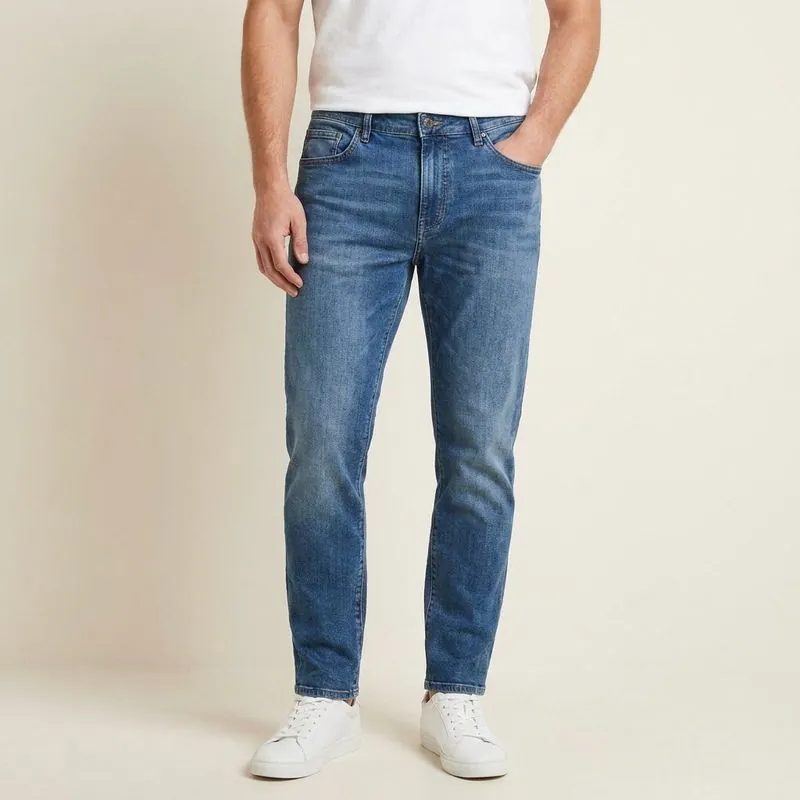
Denim fails where it's rubbed and strained at the same time, and the inner thigh gets both. Every step slides one leg past the other, and every time you sit or squat the fabric there is pulled tight across the crotch. The denim guide Heddels puts it plainly: the crotch is the area that takes the most stress in everyday wear, and tight jeans, grime between the yarns and cycling all make blowouts more likely (Heddels).
The four things that speed it up
| Cause | What happens | What helps |
|---|---|---|
| Thigh too tight | Fabric is stretched across the leg, so every rub hits yarns already under tension | A thigh measurement taken at the fullest point, not a bigger waist |
| Thigh too loose | Spare fabric folds and rubs against itself | Regular rather than roomy if you don't need the room |
| Grit in the weave | Dirt between the yarns acts like fine sandpaper | Wash when they're dirty, not on a schedule; brush off dust |
| Repetitive friction | Cycling and long walks concentrate rubbing in one place | A separate pair for the bike; rotate pairs through the week |
The fit mistake behind most thigh holes
The usual story goes like this: the thighs are tight in your waist size, so you size up and wear a belt. The thighs are now just about comfortable but the waist gaps, and the crotch sits a little low, which adds folds exactly where your legs rub. Or you keep your waist size and live with a thigh that's stretched tight all day. Either way the inner thigh pays.
The real fix is a pattern where the thigh and the waist come from two different measurements. That's what jeans for athletic thighs are built around, and the athletic taper fit gives a fuller thigh with a narrower ankle. The drag lines that warn you a thigh is too tight are in the wrinkle guide.
Does fabric matter?
It does, but less than fit. Stiffer, drier denim is more abrasive against itself, and rigid cotton is generally the hardier fabric over the years, while stretch fibers can lose some recovery. A close-fitting stretch pair rubs differently from a roomier rigid pair, so the choice depends on how you move. The trade-offs are in stretch vs rigid denim, and how weight changes the feel is in the denim weight guide.
A checklist to make the next pair last
- Measure your thigh around the fullest part, just below the crotch, with the tape level and not pulled tight.
- Pick the fit preference you actually like (snug, regular or roomy). Snug in rigid denim strains the thigh fastest.
- Choose a rise that keeps the crotch where it belongs. A crotch that hangs low creates folds that rub.
- Own at least two pairs and alternate them, so each gets a rest.
- Check the inside of the thighs every few weeks. Thin, shiny patches come before holes.
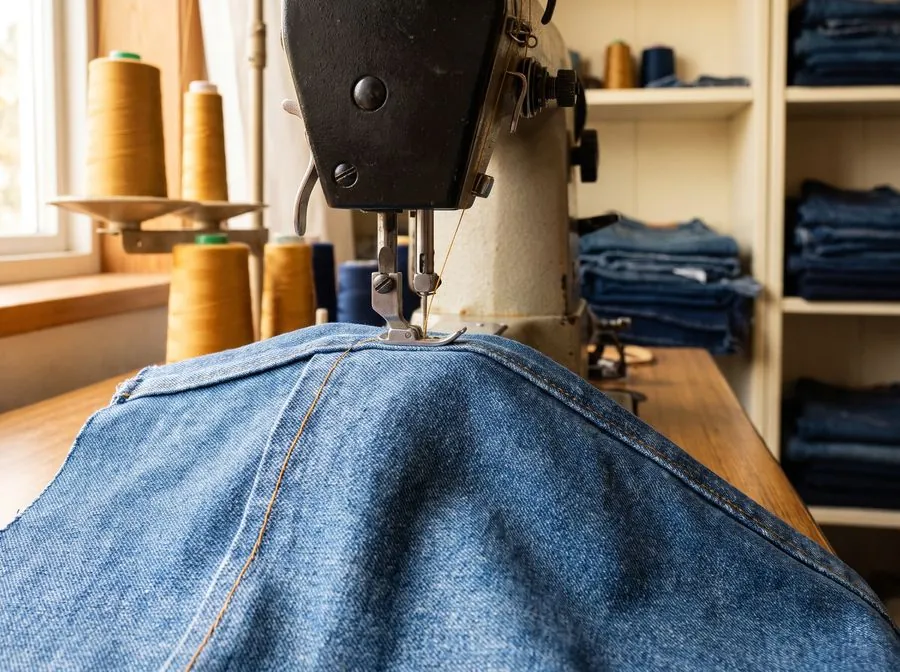
- Darn or patch thin spots early; the repair guide covers how.
- Keep one pair for cycling, if you ride.
When to stop repairing
A darn over a thin spot can add months. A hole that's spread across both thighs, or fabric that tears around the old repair, usually means the denim around it is just as worn. That's the moment to retire the pair, keep its measurements and use them to order the next one with more thigh room.
How we use your thigh measurement
Thigh is one of the required measurements on every Jeanszilla order, along with waist, hips, inseam, height and weight. If your current jeans keep going at the thighs, say so in the notes for your tailor, for example "wear through at the inner thigh within a year, would like a bit more room there". The pattern maker reviews your numbers before cutting, and your first pair in each fit is covered by the Fit Guarantee.
Questions
Why do my jeans rip between the legs?
That area takes constant friction from walking and strain from sitting. Tight thighs, folds of spare fabric, dirt in the weave and cycling all speed it up.
Do bigger thighs mean jeans will always wear out faster?
More contact means more friction, but fit matters a lot. A thigh cut to your measurement, with no tension and no spare folds, wears more evenly.
Should I size up to stop thigh holes?
Sizing up usually trades a tight thigh for a gapping waist and a lower crotch, which adds folds that rub. A pair with the thigh measured separately is a better fix.
Can you repair a hole between the thighs?
Yes, if you catch it early. Darning or a patch on the inside works well on thin spots; a large tear with worn fabric around it is harder to save.
Does washing jeans less make them last longer?
Washing less is gentler on the fabric, but dirt in the weave also causes wear. Wash when they're dirty, inside out and cold.