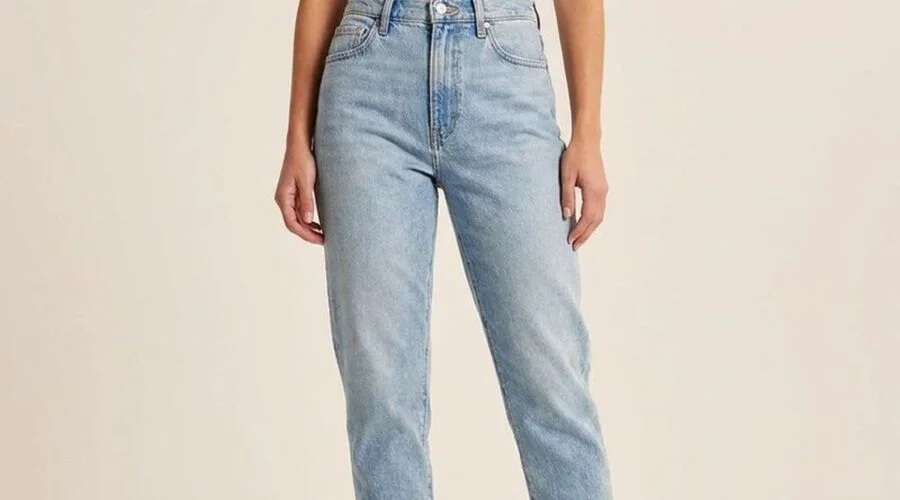
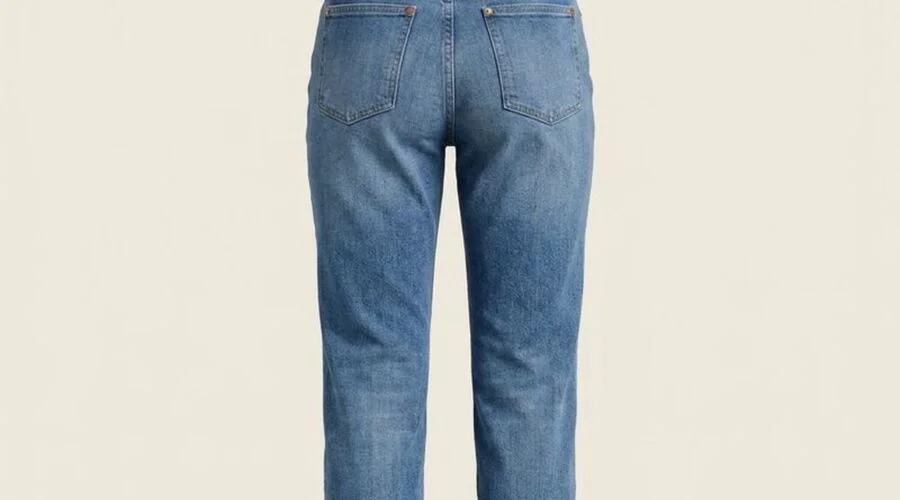
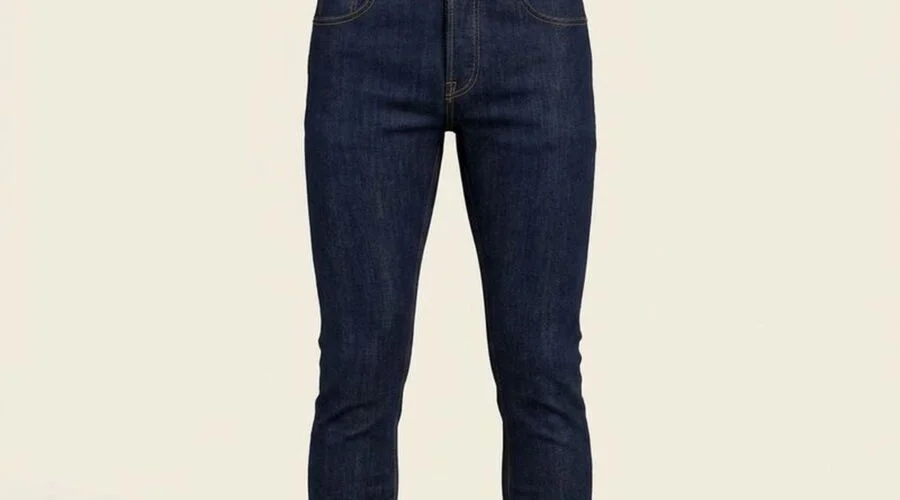
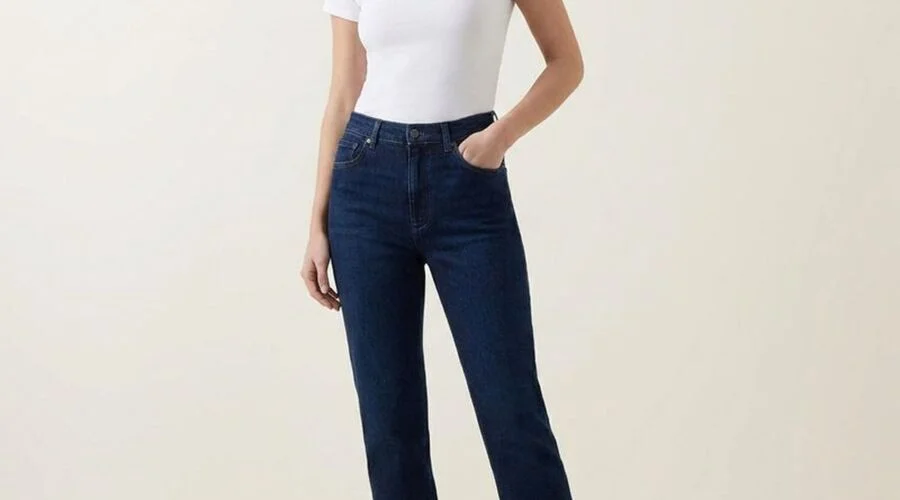
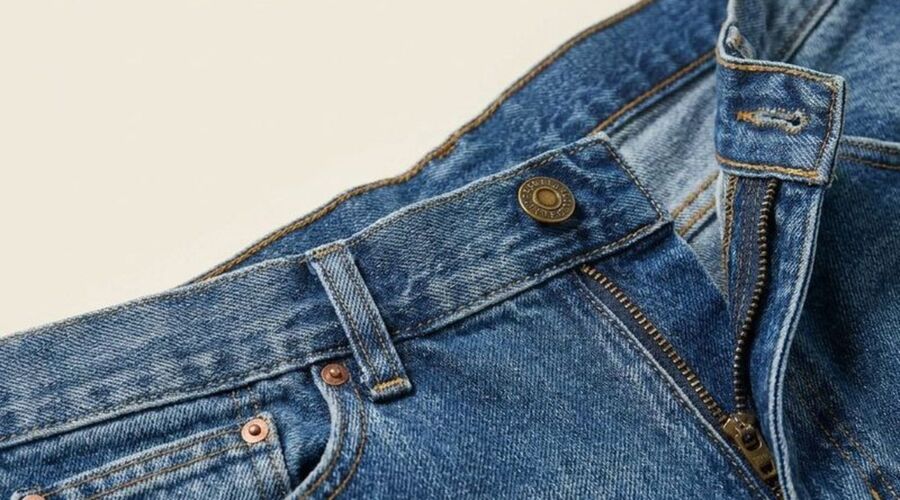
Distressing recreates the marks of years of wear in a few minutes. Here's what whiskers, fades and rips are, how they're made, how they hold up, and when to skip them.
Topstitching is the visible stitching that outlines a pair of jeans. Its color changes the whole look. Here's where it shows and how gold, tonal and white thread work with each wash.
Denim is blue on the outside, pale on the inside and fades exactly where you move. All three come from how indigo dye works. Here's the chemistry and craft in plain English.
The wash decides how dressy your jeans look, how they age and what they go with. Here are all eight shades, what makes each one, and a simple rule for choosing.
You can wear jeans in summer without overheating. Fabric weight does most of the work, but leg shape, wash and length matter too. Here's the cooler setup, lever by lever.
Organic describes how the cotton was grown, not how the jeans feel. Here's what the word means, how the main certification schemes differ, and what to check before paying more.
Selvedge is the clean, self-finished edge that a shuttle loom weaves into denim. You see it when you cuff the leg. Here's how it's made, how to spot it and what it really tells you.
Raw denim is denim that hasn't been washed since it was dyed and woven. That's why it's stiff, dark and personal, and why the first wash needs a plan. Here's what to expect.
Denim weight is the quickest clue to how a pair will feel, hang and cope with the seasons. Here's what the ounces mean, how each weight behaves, and how to match weight to your fit.
Elastane is the reason stretch jeans can sit close and still let you move. Here's what the percentages mean, how rigid cotton denim behaves, and how to choose the right fabric for your fit.
This website uses cookies to improve your experience. By clicking “Deny”, you consent to the use of Necessary cookies only. You may also accept selected cookies only.