The short answer
- Low rise is back in 2026 coverage, but not mainstream: mid and high rises still lead.
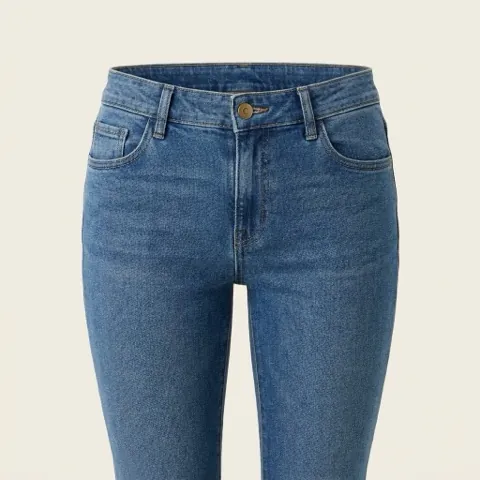
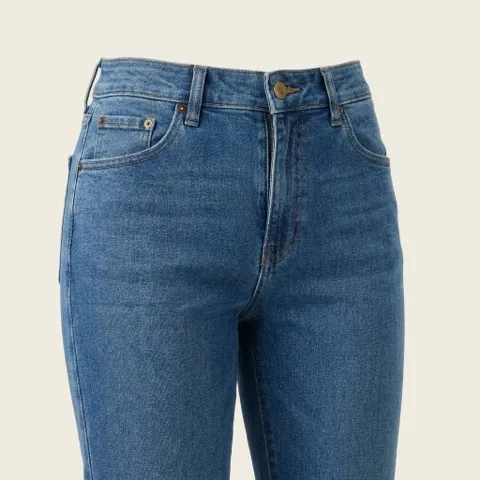
- Built low means a short rise cut into the pattern. Worn low means a higher-rise jean, often loose, sitting lower on the hip.
- Low rise tends to suit shorter torsos and anyone who likes the waistband below the navel. It's harder work with a long torso or a big waist-to-hip difference.
- The back rise matters as much as the front: that's what keeps you covered when you sit.
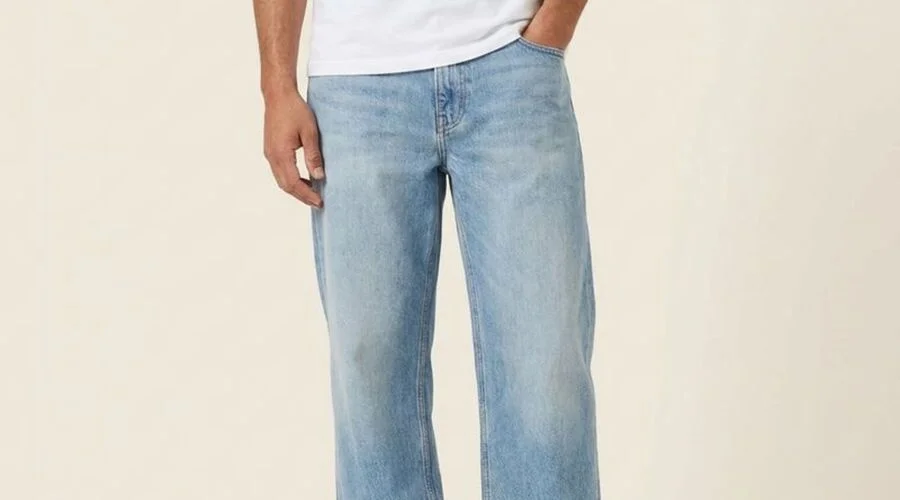
If your memory of low rise involves a visible thong and a constant tug at the back, the 2026 version is different, according to the people who track it. YouLookFab reports that low rises are back but not mainstream, and makes a useful distinction: low-slung is a way of wearing a jean, not a rise measurement. Refinery29 Australia calls the look "low and loose", pairing low waists with wider, baggier legs, and Grazia describes a refined low rise with longer, leaner lines rather than the ultra-low early-2000s cut. In other words: lower, but with more fabric everywhere else.
Built low vs worn low
| Built low | Worn low | |
|---|---|---|
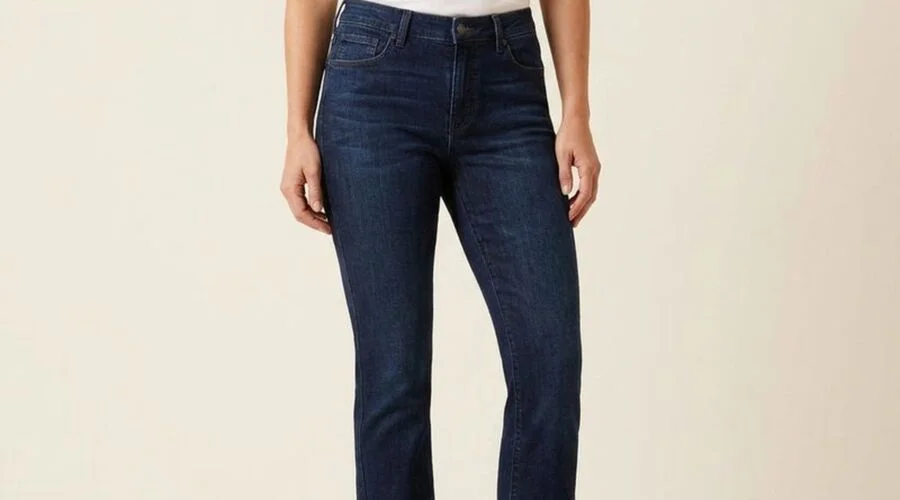
| What it is | A short front rise cut into the pattern, so the waistband sits below the navel | A mid or high rise jean, usually roomy, worn lower on the hip |
| Typical legs | Skinny, bootcut, flare | Baggy, wide, relaxed straight |
| Feels | Close at the hip, nothing at the waist | Loose, slouchy; needs a belt or a fitted seat to stay put |
| Risk | Back gaps when you sit if the back rise is short | Crotch drops and the leg drags if the jean is too big |
| Ordering tip | Choose the Low rise and give a back-rise measurement | Order your true size in a looser fit; don't size up to make it sit low |
Who low rise suits, honestly
A low waistband makes the torso look longer and the legs a little shorter. That's useful or unhelpful depending on where you start:
- Short torso, long legs: low rise is often the most comfortable rise you'll find, and it balances your proportions.
- Long torso, shorter legs: low rise exaggerates both. If you love it, pair it with a heel or a longer flare to lengthen the leg.
- Waist much smaller than hips: a low rise sits where your body is widest, which can help, but a short back rise will gap. The back-gap guide explains why.
- Soft stomach: a low waistband can sit under it rather than over it. Some people love that; others prefer a high rise that smooths. Both are fine.
For a fuller take on proportion, see jeans for your proportions.
What to wear with it in 2026
- Mid-length tops that meet the waistband. A knit or tee that ends at the hip bone looks current; a tiny crop top with a tiny rise is the 2003 version.
- Looser legs. Low with a skinny leg is the look that reports describe as out; YouLookFab says there are no low-rise skinnies in its 2026 picture. A bootcut or flare is the safe built-low choice.
- A belt for worn-low looks, so the jean sits where you put it rather than where gravity decides.
How to choose a rise when you order
Our women's fits come in Low, Mid, High and Ultra High rise, with the options shown on each fit page. Low is listed for our Bootcut and Skinny; the women's styles page has a rise chooser for every cut.
- Pick the rise by where you want the waistband: on the hip (Low), just below the navel (Mid), at the navel (High) or above it (Ultra High).
- Measure the front and back rise of a pair that sits well, using the measuring guide. Both are optional, but on a low rise the back rise is the number that saves you.
- Use the notes for your tailor for anything else, like "low at the front, more coverage at the back when I sit". A pattern maker reviews your numbers within 1 working day and emails you before cutting if anything looks unusual.
Front and back rise explained in detail: front rise vs back rise.
When to skip it
If you spend most of the day sitting, bending or lifting children, a low rise asks a lot of the back seam. A mid rise in a loose leg, worn a little lower with a belt, gets you most of the look with less adjusting.
Questions
Are low-rise jeans in style in 2026?
They're on several 2026 trend lists, including Refinery29 Australia and Grazia, but YouLookFab describes them as back without being mainstream. Mid and high rises are still the norm.
What's the difference between low rise and low-slung?
Low rise is built into the pattern: the distance from crotch to waistband is short. Low-slung is a higher-rise, usually loose jean worn lower on the hip.
How do I stop low-rise jeans gapping at the back?
The back rise needs to be long enough for your seat. Measure the back rise of a pair that stays put when you sit and include it with your order.
Do low-rise jeans make your legs look shorter?
They can, because the torso looks longer. A heel, a flare or a full-length hem offsets it.