The short answer
- Know five numbers before you shop: waist, hips, thigh, inseam and front rise, ideally from a pair that fits.
- Compare garment measurements, not just body size charts; they tell you how the jeans actually come out.
- Read the returns or fit policy before you buy: window, condition, who pays, and whether it's a refund or a remake.
- Write down how you like jeans to fit. Snug, regular or roomy is a real choice, not a size.
Jeans are the hardest thing to buy online. A shirt that's slightly off still looks like a shirt; jeans that are slightly off gap, pull, drag or pool. The fix isn't luck, it's preparation. This checklist works for any shop, and we'll show where a pair cut from your own numbers changes the odds.
Step 1: get your numbers (two ways)
From a pair you love. This is the easiest and usually the most reliable. Lay them flat, button them, and measure the waist across the top and the hips across the seat (double both), the thigh straight across 1" below the crotch (double it), the inseam from crotch seam to hem, and the front rise from crotch seam to the top of the waistband. Our guide to copying your favorite jeans walks through each one.
From your body. Waist where you wear your jeans, hips at the fullest point with feet together, thigh at the fullest point, and inseam. Body numbers are smaller than garment numbers by design; the difference is ease, explained in what ease means in jeans.
Not sure what each term means? The jeans measurements glossary covers all of them.
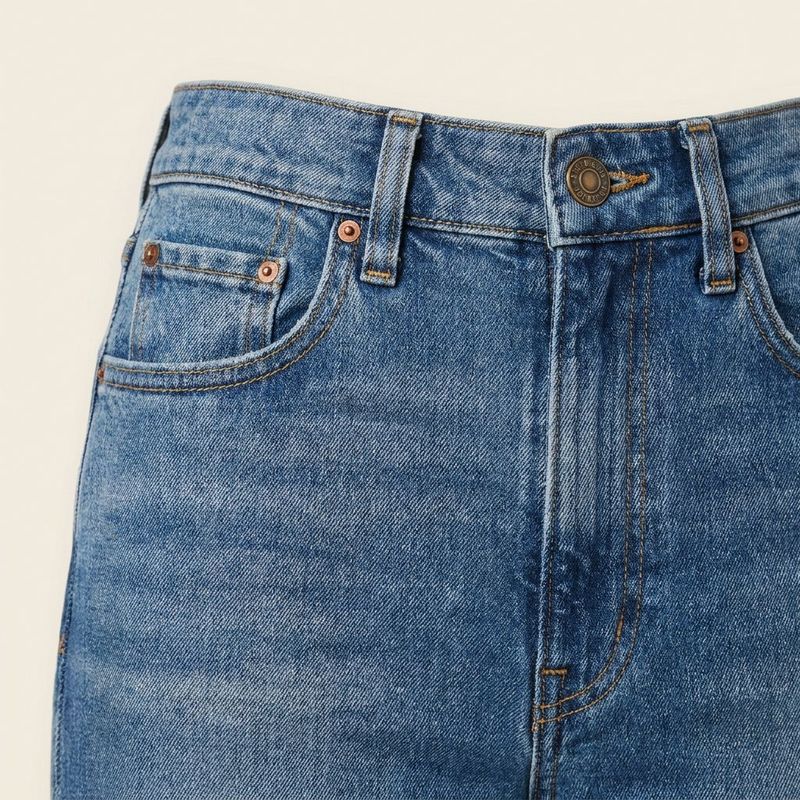
Step 2: the confidence checklist
- Is there a garment measurement chart, not just S/M/L or a body chart? Compare thigh and rise, not just waist.
- What's the fabric? Rigid cotton fits firmly and relaxes with wear; stretch gives more but can bag. See stretch vs rigid denim.
- Does the inseam option match your height and shoes? Check against the inseam by height chart.
- What's the leg shape? Look for knee and leg-opening numbers. A "straight" in one shop is a "relaxed" in another.
- What's the rise? Low, mid or high changes where the waist sits and how the seat fits.
- What's the policy? Return window, condition (often unworn with tags), who pays return shipping, refund or exchange.
- Are there reviews that mention fit, not just quality? "Runs small in the thigh" is gold.
- What's the total delivered price? Shipping, duties for cross-border orders, and any return costs.
Step 3: read a size chart like a pattern maker
| If the chart shows | Compare it with | Good sign |
|---|---|---|
| Body waist only | Your body waist | Rarely enough on its own: ask for garment numbers |
| Garment waist | Your best pair, flat × 2 | Within about half an inch |
| Thigh | Your best pair's thigh | Within about half an inch; more if you want a roomier fit |
| Front rise | Your best pair's rise | Within half an inch, or you'll feel it at the front |
| Leg opening | Your best pair's opening | Matches the look you want |
Rules of thumb, not standards. Fabric changes how much difference you'll feel.
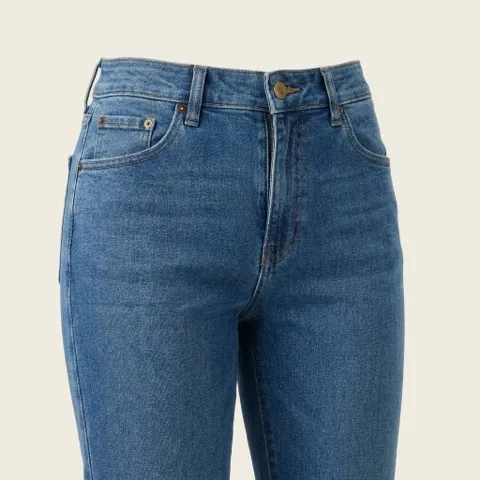
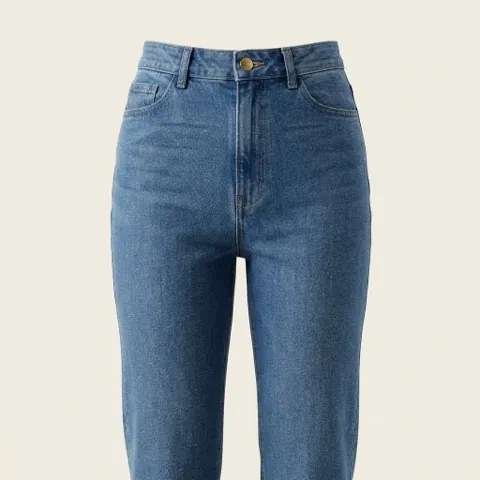
Red flags
- No measurements beyond waist and length.
- Final-sale or no-return terms on jeans you've never tried.
- Sizes "run small, size up" in every review: sizing up fixes the thigh and breaks the waist (we explain why in why jeans gap at the back).
How ordering by measurement changes the odds
At Jeanszilla you don't choose a size at all. You give waist, hips/seat, thigh, inseam, height and weight (knee, leg opening and front and back rise are optional), choose Snug, Regular or Roomy, and we add the ease for the style and fabric. There are three ways to measure: copy your best-fitting jeans measured flat (easiest), measure your body, or give height, weight and your usual size. A pattern maker checks the numbers within 1 working day and emails you before cutting if anything looks off.
And because nobody gets every fit perfect from a screen, your first pair in each fit is covered by the Fit Guarantee: tell us within 30 days of delivery, unworn and unwashed, for a free remake with corrected measurements or up to $25 towards a local alteration. For everything else, see our returns and exchanges page.
When not to buy jeans online
If you need jeans for tomorrow, or you've never owned a pair that fit and have no idea what you like, a fitting room trip is worth it, if only to learn your preferences. Try three cuts, note what you like, then measure the best of them.
Or start with women's styles. If thighs are always your problem, see jeans for athletic thighs.
Questions
What's the single most useful measurement for buying jeans online?
There isn't one, which is the problem with waist-only sizing. If you can only compare two, use the waist and thigh of a pair that fits.
Should I size up if I'm between sizes?
Only if the tight area is the waist. Sizing up for thighs or seat usually leaves the waist gaping.
Do I need a tape measure?
Yes, a soft one. A ruler and a piece of string work if you have nothing else.
What if my measurements and my usual size disagree?
Trust the measurements, and tell us your usual size in the notes. A pattern maker checks every order and will email you if they disagree.